
The Divine Maternity in Sacred Scripture

The scriptural texts concerning the Virgin Mary illuminate her vital role in Christian theology as the Mother of God, or Theotokos (God bearer). This term signifies her as the one who conceives and gives birth to the divine Christ. This concept is essential for comprehending her divine maternity and the implications it holds for the faith in the economy of salvation.
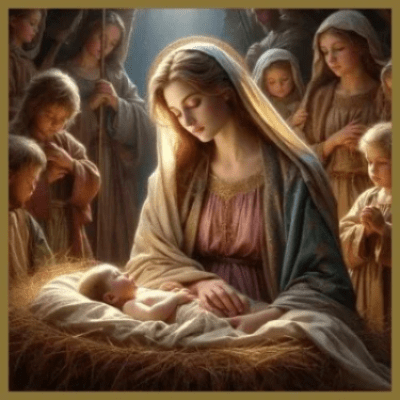
Therefore, the Lord himself will give you a sign:
The virgin will conceive and give birth to a son,
and will call him Immanuel.
Isaiah 7, 14
Isaiah was a prophet who lived during a tumultuous time in the kingdom of Judah, around the 8th century BCE. The context of Isaiah 7 involves a political crisis where King Ahaz of Judah (Southern Kingdom) faces the threat of invasion from the combined forces of Israel (Northern Kingdom) and Aram (Syria). Faced with fear and uncertainty, Ahaz receives a message from the Lord through Isaiah, telling him not to fear these enemies. The sign given is that a young woman (translated as “virgin” in many texts) will bear a son named Immanuel, meaning “God with us.” This sign serves multiple purposes: it reassures Ahaz of God’s presence and divine assistance during a time of crisis, and it also points towards a future hope for the people of Israel. In its immediate context, the prophecy may refer to a young woman in Isaiah’s time, suggesting that God is with His people even in the midst of their challenges.
The Christian interpretation of this verse sees it as a prophetic foreshadowing of the Incarnation of Jesus Christ. In the New Testament, particularly in the Gospel of Matthew (Matthew 1:22-23), this prophecy is directly linked to the virgin birth of Jesus. The angel Gabriel announces to Mary that she will conceive by the Holy Spirit, affirming her as the virgin foretold in the prophecy of Isaiah. This connection solidifies the belief that Jesus is not merely a prophet or a teacher but is the Divine Son of God, fully human and fully divine.
The concept of Mary as the Mother of God (Theotokos), meaning “God-bearer, is central to understanding her role in the Incarnation. By giving birth to Jesus, who is both God and man, Mary fulfills the prophecy of Isaiah. Her status as a virgin signifies purity and divine choice, reflecting God’s plan for salvation. Mary’s acceptance of her role, often articulated in her fiat (“Let it be to me according to your word,” Luke 1:38), underscores her faith and obedience. In this light, Mary’s motherhood is not just a biological relationship but a profound participation in God’s redemptive work. Her acceptance of this role exemplifies trust in God’s plan and highlights the mystery of God becoming human while maintaining the sanctity of Mary’s virginity.
Hence, Isaiah 7:14 serves as a vital bridge between the Old and New Testaments, highlighting God’s unwavering promise of salvation through prophecy. This verse foreshadows the miraculous birth of Jesus Christ, emphasizing the profound significance of Mary’s role in the divine narrative of redemption. By indicating that a virgin shall conceive and bear a son, the passage underscores the extraordinary nature of the Incarnation—the moment when the Word, the second Person of the Holy Trinity, became flesh and dwelt among us. This magnificent event illustrates not only the depths of God’s engagement with humanity but also the transformative impact of divine love and grace, as God took on human form to bring about reconciliation and hope for all. The intertwining of prophecy and fulfillment in this context reveals the continuity of God’s plan throughout scripture, showcasing His faithfulness across generations and the extraordinary significance of Jesus’ birth in the story of salvation.
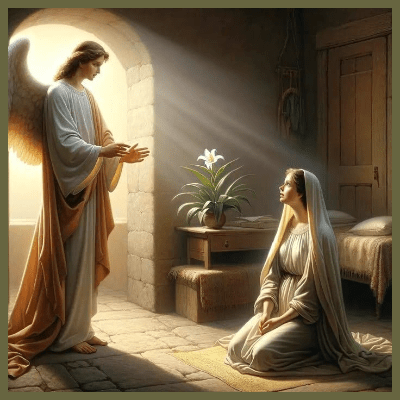
And Mary said to the angel: How shall this be done, because I know not man?
And the angel answering, said to her: The Holy Ghost shall come upon thee,
and the power of the Most High shall overshadow thee. And therefore also the Holy
which shall be born of thee shall be called the Son of God.
Luke 1, 34-35
In this verse, the angel further elucidates the profound reality that “the Holy Ghost shall come upon thee,” which reinforces the belief that Mary’s conception of Jesus is not a result of human action but rather a miraculous intervention by the Holy Spirit. This pivotal moment highlights the extraordinary nature of Mary’s divine motherhood, presenting her as the vessel through which the Incarnation occurs.
Mary’s acceptance of this call underscores her unique role in salvation history. By consenting to become the Mother of God, she embodies an unparalleled level of faith and openness to God’s plan. Her response, often summarized in the words “let it be unto me according to thy word,” exemplifies an unwavering trust in God’s wisdom and purpose. In doing so, she models the profound obedience that is essential for all believers, showcasing the virtues of humility and submission to divine will.
Moreover, this event is a powerful testament to the dual nature of Christ, fully divine and fully human. In Mary’s womb, the Word takes on human flesh while simultaneously remaining fully divine, establishing her as a pivotal figure in Christian theology. Her divine motherhood not only elevates her status but also underscores the significance of her role in the mystery of the Incarnation, revealing the profound depth of God’s love for humanity.
Mary’s willingness to undertake this extraordinary mission reflects her inner strength and holiness, making her an exemplary figure for the faithful. Her life serves as a reminder that accepting God’s calling often requires courage, sacrifice, and a deep commitment to His will. Thus, Mary’s role as the Mother of God is not just about her biological connection to Jesus but also about her spiritual significance as a model of faith and trust in God’s plan for salvation.
“And why has this happened to me, that the mother of my Lord comes to me?”
Luke 1:43.
This verse captures a pivotal moment in the biblical narrative when Mary visits her cousin Elizabeth, who is pregnant with John the Baptist. The encounter takes place in the Hill Country of Judea, an area rich in significance in Israel’s history. Filled with the Holy Spirit, Elizabeth recognizes the immense importance of Mary’s role as the Mother of God, acknowledging that she carries the Messiah, Jesus Christ.
This moment is rich in both emotional and theological significance. Elizabeth’s proclamation not only highlights the divine nature of Jesus but also affirms Mary’s unique position in salvation history. This recognition provides a biblical foundation for the title of the Virgin Mary as the Mother of God, underscoring her vital role in the Christian faith and the Incarnation of Christ, in which God became man to bring salvation to humanity.
The interaction between these two women symbolizes the unifying bond of faith and the fulfillment of God’s promises, enriching the understanding of their roles in God’s redemptive plan. In Luke 1:43, the Greek term used for “lord” is “κύριος” (kurios). This word is significant in the context of the New Testament, as it conveys authority, respect, and divinity. It is often used to refer to both God and Jesus Christ, signifying their supreme power and lordship over all creation. The usage of “κύριος” in this passage reflects the profound reverence Elizabeth expresses towards Mary, recognizing the divine nature and significance of the child she carries, and affirming the role of Jesus as the awaited Messiah.
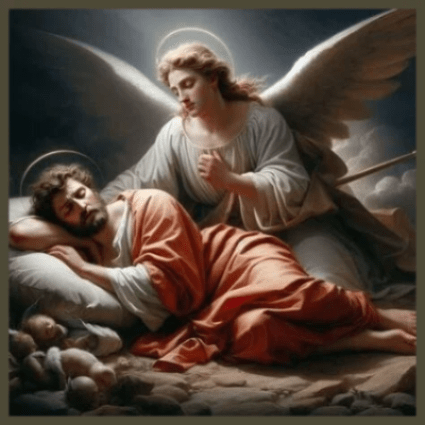
But after he had considered this, an angel of the Lord appeared to him in a dream and said, “Joseph son of David, do not be afraid to take Mary home as your wife, because what is conceived in her is from the Holy Spirit. She will give birth to a son, and you are to give him the name Jesus, because he will save his people from their sins.” All this took place to fulfill what the Lord had said through the prophet: “The virgin will conceive and give birth to a son, and they will call him Immanuel (which means ‘God with us’).
Matthew 1, 20-23
The passage from Matthew 1:20-23 is significant within the context of Christian theology, particularly in relation to the doctrine of Mary’s divine maternity. It highlights key elements about Mary, her role in the incarnation of Jesus Christ, and the fulfillment of prophecies.
First, the passage begins with Joseph’s internal conflict upon discovering that Mary is pregnant. As a righteous man, Joseph faces a dilemma—he must decide whether to publicly shame Mary or to divorce her quietly. His consideration is a testament to his character and compassion. The arrival of the angel in a dream serves as divine intervention, guiding Joseph to a deeper understanding of the situation.
The angel’s message addresses Joseph as “son of David,” which not only affirms his ancestral lineage but also emphasizes the royal expectation of the Messiah. This framing is crucial because it situates Jesus within the long-awaited lineage of David, fulfilling God’s promises made to Israel.
When the angel tells Joseph, “Do not be afraid to take Mary home as your wife,” it directly reassures him of Mary’s virtue and the divine nature of her pregnancy. The phrase “what is conceived in her is from the Holy Spirit” establishes a foundational element of Christology: the belief that Jesus is both fully divine and fully human. This divine conception ensures that Jesus is not just another prophet or teacher but the Son of God, with a unique and sacred origin.
The name given to Mary’s son, Jesus, is laden with meaning. “Jesus” translates to “Yahweh saves,” indicating His purpose to save people from their sins. This statement primarily reflects the salvific mission of Jesus, which is central to Christian faith. The angel’s reference to the fulfillment of prophecy connects Mary’s experience to the larger narrative of God’s plan for salvation, specifically quoting from Isaiah 7:14. The prophecy cites that “the virgin will conceive and give birth to a son,” further underlining the miraculous nature of Jesus’s birth and Mary’s role in this divine plan.
Lastly, the name “Immanuel,” meaning “God with us,” encapsulates the essence of the incarnation. This title reflects the intimate relationship between God and humanity that Jesus embodies. It signifies that through Jesus, God’s presence is made tangible among people.
In essence, this passage not only affirms Mary’s divine maternity but also highlights the importance of her acceptance of God’s will. Her willingness to be the mother of Jesus makes her a pivotal figure in Christian theology, with implications that resonate throughout the New Testament and shape the Christian understanding of redemption and divine presence in the world. Mary’s divine maternity is thus a powerful affirmation of God’s engagement with humanity, showcasing themes of faith, obedience, and the fulfillment of divine promise.
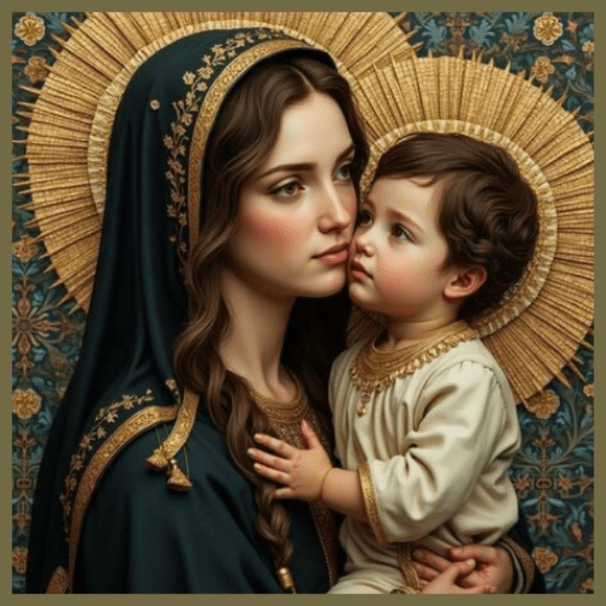
But when the time had fully come, God sent forth his Son,
born of a woman, born under the law,
Galatians 4, 4
In Galatians 4:4, Paul emphasizes a profound theological truth regarding the nature of Jesus’ birth, which has significant implications for understanding Mary’s role as the Mother of God. By stating that Jesus was “made of a woman,” Paul underlines the essential humanity of Christ, confirming that He fully entered into the human condition through Mary. This connection is crucial, as it illustrates the divine plan of salvation that necessitated Jesus’ identification with humanity.
Mary’s divine motherhood is central to this mystery. As the one chosen to bear the Son of God, her willingness to accept this role not only reflects her faith and obedience but also highlights her active participation in God’s redemptive mission. By giving birth to Jesus, Mary becomes the bridge between God and humanity, exemplifying the union of the divine and human in the person of Christ.
Moreover, Mary’s status as the Mother of God signifies that she is not merely a vessel for Jesus’ incarnation but a key figure in the fulfillment of God’s promises through covenant history. Her motherhood goes beyond physical birth; it represents a divine calling and a partnership with God in the unfolding of salvation history.
Through her, Jesus, born “under the law,” can uphold the law and offer redemption, demonstrating that God planned to engage intimately with humanity. This act of divine condescension, whereby God chose to become human, underscores the dignity of Mary’s role and the honor bestowed upon her as the bearer of the Savior, making her a pivotal figure in Christianity and a model of faith for believers. Thus, Mary’s divine motherhood is integral not only to the story of Jesus but also to the entire scope of salvation history.
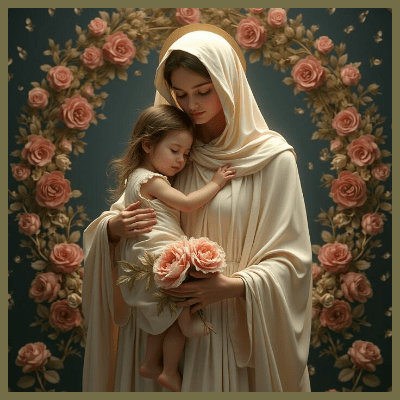
For in him dwelleth all the fullness of the Godhead bodily.
Colossians 2, 9
The statement that “in him dwelleth all the fullness of the Godhead bodily” encapsulates the profound mystery of the Incarnation, a cornerstone of Christian theology. In this doctrine, Mary, revered as the Mother of Christ, carried and nurtured the fullness of the divine nature in human form. This profound role elevates her maternity beyond mere biological significance to one of profound spiritual and theological importance.
Mary’s role was not limited to the physical act of giving birth to Jesus; it encompassed the significant responsibility of guiding, nurturing, and raising the embodiment of God’s love and grace. From her acceptance of the Annunciation, where she willingly embraced her calling, to the quiet strength she exhibited during Jesus’ formative years, Mary exemplified faith and obedience. Her maternity involved not only the intimate bond of motherhood but also the profound influence she had on shaping her son’s character and mission. In this way, she became a vital participant in the divine plan of salvation, illustrating the unity of humanity and divinity through her life.
Overall, these biblical texts collectively articulate the profound significance of Mary’s divine maternity. They portray her as the divinely chosen vessel through whom God’s redemptive plan unfolds, emphasizing her crucial part in the Christian narrative of the Incarnation. The mysteries surrounding her virgin birth and holy motherhood highlight an extraordinary journey of faith. At the same time, her acceptance of this divine mission serves as an inspiring model of faith and obedience for all believers.

Ave Maria
 Mother of God